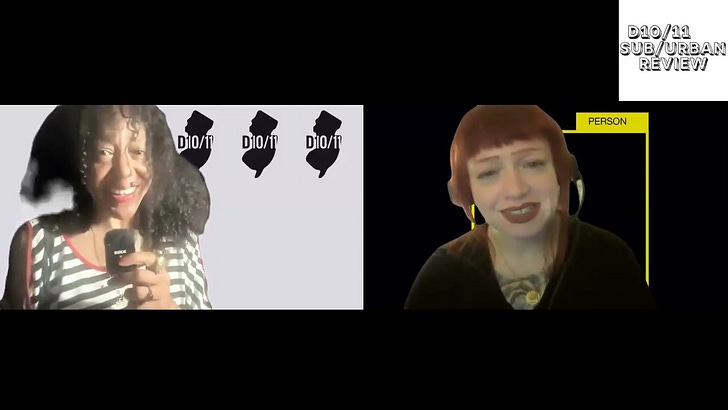

In Part Two of our four-part series, we examine one of the most contested questions at the heart of immigration enforcement and mass incarceration: Who counts as a political prisoner, and who is labeled a criminal? More importantly, who gets to decide?
The Illinois Way Forward Act was one of the first of its kind and continues to be a blueprint for those who fight for the Civil Rights of anyone deemed “undocumented,” but especially for those in racialized communities. It banned local police cooperation with ICE and ended immigrant detention center contracts in Illinois.
This discourse around immigration leans on the narrative of “deserving” and “undeserving” immigrants. We all agree political persecution is wrong, but criminals- well, they had it coming- but who gets to shape what is criminal? These categories are unstable and are shaped by what hegemony finds more useful. From the criminalization of migration to the racialized realities of policing, the line between political prisoner and criminal prisoner is frequently blurred by systems of power rather than defined by clear moral boundaries.
To explore these questions, I speak with Amanda Garcia, Senior Program Associate at the Acacia Center for Justice. Garcia previously helped manage the Legal Orientation Program, which provides free legal education to people detained by ICE, and has represented noncitizens in family-based petitions, U visas, asylum claims, and removal defense proceedings before the Chicago Immigration Court. Drawing on her experience working directly with detained immigrants, Garcia helps unpack how immigration detention intersects with the criminal legal system and what the Way Forward Act was seeking to change.
Amanda and I discuss the politics of criminalization and the consequences of detention and deportation and the consequences for those who stand up against this.
As the series moves from hero to villain, SUB/URBAN Review hopes that listeners and readers reconsider the stories we tell about “the other,” to justify their treatment or to be appalled by it. The Green Monster is directly across the street from Delaney Hall.
Guest Bio
Amanda Garcia is a Senior Program Associate at the Acacia Center for Justice. She previously delivered and helped manage the Legal Orientation Program, a free legal education program for unrepresented people in ICE detention. She has represented noncitizens with family-based petitions, U visas, asylum claims, and in removal defense proceedings before the Chicago Immigration Court. Garcia holds a Bachelor’s Degree from the University of Michigan and a Juris Doctor from Loyola University Chicago School of Law.
This is part two in the series The Geography of Retaliation: What Happens When They Win.
The Geography of Retaliation: What Happens When They Win is a four part seriries. Carlos Acosta helped lead a campaign against an ICE detention center in McHenry County, Illinois, whose momentum led Governor J.B. Pritzker to sign the Illinois Way Forward Act in August 2021. Way Forward strengthened immigrant protections by ending local ICE detention contracts and limiting police collaboration with federal immigration enforcement. This act updated the Illinois TRUST Act and the Voices of Immigrant Communities Empowering Survivors (VOICES).
One would think that this victory would be a testament to community power; it was, but it also had other impacts. It was the beginning of a nightmare for Carlos. This series explores the blurred line between political prisoner and criminal prisoner. It is a line that haunts struggles for justice everywhere. It also amplifies the question of who is permitted to shape space and power, and what happens to those who challenge those hegemonic institutions.
Please subscribe and share.