
What if your city were defined not by municipal borders but by how people actually move through it?
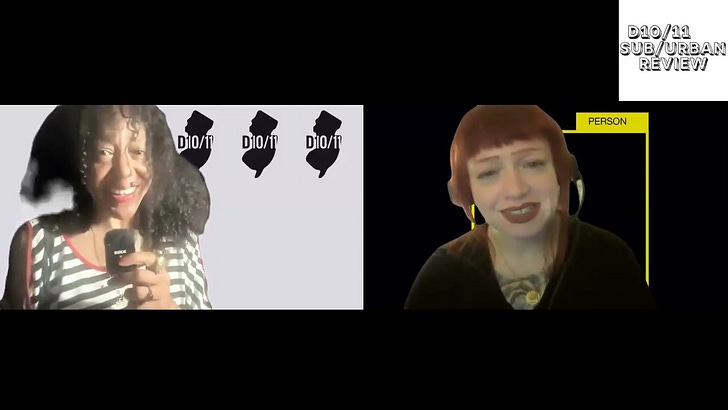
In this episode, Lo Sontag sits down with Nick Giglia, founder of ROUTE (Restore Our Transit in Essex), a grassroots organization reimagining what transit advocacy can look like in one of the most densely populated and most politically fragmented (but functionally pretty whole) states in the nation. As Nick puts it, “Frequency is freedom.” The ability to move without planning your life around a bus schedule is not merely a transportation issue; it is a question of access, opportunity, and belonging.
I will give you a little hint of ROUTE’s origin story: it involves hockey, an exhausted kindergartner, and the uh-huh moment familiar to so many New Jersey families. What we all know and no one needs a degree in urban planning to see this- the NYC region functions as a single interconnected place, but our transportation systems are trapped by municipal boundaries and political arrangements that too frequently fail to reflect how people actually live. New Jersey’s home rule tradition has long shaped local governance and yet ROUTE asks:
What happens when we instead organize around the geography of daily life?
For Giglia, that geography is Essex. We are a network of communities linked by shared destinations and transit corridors. Whether traveling from Bloomfield to Newark, Montclair to East Orange, or West Caldwell to the Ironbound, we routinely cross municipal lines that appear way harsher in politics than they do in real life.
Together, we discuss the founding of ROUTE, its organizing philosophy, and the victories the group has already achieved in the fight for better public transportation. We explore the challenges of advocating for transit in a state where thousands of people rely on buses and trains every day, yet decision-making remains scattered across dozens of local governments and agencies. And we consider a larger question: what does democratic organizing look like when the public space we depend on most is a transportation network?
The (transit) line of this episode is about more than trains and the departure of this much-loved DeCamp’s bus line. The route we take in this conversation is one that explores regional identity, civic imagination, and the infrastructure that makes collective life possible. Transit is NOT a service for someone else, but a public good that shapes community and the possibilities of an entire region.
From organizing lessons and policy wins to dreams of a more connected future, this conversation offers a compelling vision for how residents can build power across borders—and why the future of New Jersey may depend on learning to think beyond them.
Because if frequency is freedom, then organizing for transit is organizing for the freedom to thrive in this place in New Jersey that so many of us call home.